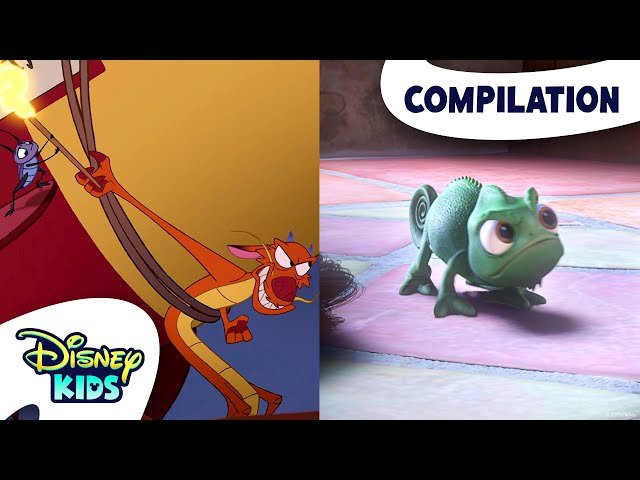
Thematic Roles Of Disney Sidekicks Drive Films Heart and Humor
From mischievous monkeys to philosophical snowmen, Disney sidekicks aren’t just adorable window dressing—they are the unsung heroes who propel plots, deepen emotional stakes, and deliver some of the most memorable moments in animated history. These characters do more than merely stand by the protagonist; they fulfill crucial thematic roles that inject films with their unique blend of heart and humor, turning good stories into unforgettable sagas.
Think about it: where would Aladdin be without Genie’s impossible wishes or Abu’s street smarts? What would Frozen feel like without Olaf’s warm hugs and surprisingly profound observations? These aren't just supporting characters; they are integral narrative devices, carefully crafted to serve specific purposes that resonate long after the credits roll.
At a Glance: Why Disney Sidekicks Matter
- Emotional Anchors: They provide unwavering loyalty and support, becoming a source of comfort for protagonists.
- Comic Relief Powerhouses: Their antics and personalities offer much-needed levity, balancing serious themes.
- Moral Compasses & Mentors: They guide heroes, offer wisdom, and sometimes serve as the protagonist's conscience.
- Catalysts for Action: They often possess unique skills or insights that directly contribute to solving problems or advancing the plot.
- Character Foils: Their contrasting personalities highlight aspects of the main hero, adding depth and dynamic interaction.
- Universal Appeal: Their distinct personalities and memorable quirks make them beloved by audiences of all ages, transcending their on-screen roles.
The Heartbeat of Humor: Bringing Laughter and Levity
Perhaps the most widely recognized role of a Disney sidekick is that of the comedian—the character designed to elicit laughter, lighten heavy moments, and add a vibrant energy to the narrative. This isn't just about cheap gags; it's about strategic levity that enhances the emotional arc of the film.
Take Genie from Aladdin, for instance. A masterclass in comedic timing, his larger-than-life personality, rapid-fire jokes, celebrity impressions, and endless pop culture references make him an unparalleled source of humor. But his comedy is never frivolous; it's often a coping mechanism for his own tragic past, adding depth to his joyful demeanor. His ability to go "above and beyond" for Aladdin is underscored by his willingness to use his incredible power for whimsical fun, making his eventual freedom all the more poignant.
Similarly, Olaf from Frozen embodies pure, unadulterated comedic relief. His silly antics, wacky behavior, and innocent misunderstandings provide a perfect counterpoint to the film's more serious themes of isolation and sisterly struggle. Yet, Olaf's humor is often laced with unexpected wisdom and compassion; his offers of kind words and "warm hugs" prove surprisingly perceptive, reminding us that even the goofiest characters can hold profound truths.
The bickering banter of Lumiere and Cogsworth from Beauty and the Beast provides a classic comedic duo. Lumiere, charismatic and playful, constantly clashes with the fussy, proper Cogsworth. Their contrasting personalities and roles as enchanted objects essential to the castle's function not only entertain but also humanize the magical setting. Their comedic dynamic keeps the atmosphere light amidst the Beast's temper and Belle's isolation.
Even villains get in on the comedic action. Pain and Panic from Hercules, Hades' bumbling henchmen, are prime examples. Despite their villainous allegiance, their ineptitude, impeccable comedic timing, and slapstick antics provide significant laughs. Their dynamic as a duo makes them memorable, proving that humor can even be found on the darker side of the storytelling spectrum.
And then there's Kronk from The Emperor's New Groove, arguably one of the funniest sidekicks ever created. His physical humor, ingenious slapstick, witty one-liners, and hilariously over-the-top expressions define his comedic genius. But Kronk is more than just funny; his unexpected intelligence, hidden talents (like making perfect spinach puffs), and ongoing conversations with his shoulder angel and devil make him endearing and a surprisingly complex source of comedy. He consistently upstages his supposed boss, Yzma, becoming a fan favorite for his pure, good-hearted nature.
Characters like Dug from Up, with his earnest attempts to please and easy distraction by "squirrels!", and Louis from The Princess and the Frog, an alligator whose enthusiasm and surprising musical talents bring joyous humor, further showcase how diverse comedic roles can be. Even Terk from Tarzan brings sass and playful one-liners, contributing to the film's lighter moments. These characters prove that whether through physical comedy, witty dialogue, or sheer personality, sidekicks are masters of making us smile.
The Guiding Light: Mentors, Conscience, and Wisdom-Keepers
Beyond laughter, many sidekicks serve as essential moral compasses, mentors, or sources of profound wisdom for their protagonists. They don't just follow; they lead, advise, and help shape the hero's journey.
Jiminy Cricket from Pinocchio is the quintessential conscience. Tasked by the Blue Fairy, he patiently and kindly guides Pinocchio through temptations and dangers, reminding him of what it means to be good. His unwavering loyalty and deep care for Pinocchio's success illustrate the power of having a constant, wise presence by your side. Jiminy's journey is as much about understanding his role as it is about helping Pinocchio.
Genie, once again, steps into this role for Aladdin. Despite his own longings for freedom, he serves as a powerful mentor, offering not just magical assistance but also crucial wisdom and guidance about being true to oneself and the meaning of love. His advice helps Aladdin navigate the complexities of being a prince and winning Jasmine's heart authentically.
Phil from Hercules is a gruff but golden-hearted mentor. His sarcastic, quick-witted personality provides plenty of humor, but his primary function is to train Hercules, pushing him to reach his full potential. Phil instills the importance of hard work, perseverance, and heroism, drawing from his own backstory as a former hero trainer who lost his way. He's the tough coach every hero needs.
In a more modern context, Baymax from Big Hero 6 acts as both a physical and emotional guide. With his calm, analytical, and level-headed demeanor, he perfectly complements Hiro's often impulsive and grief-stricken actions. Baymax serves as Hiro's conscience and voice of reason, gently steering him towards healing and responsible heroism. His naive innocence and unwavering commitment to "satisfying his patient" make him a unique and beloved mentor figure.
Even a non-human character like Archimedes from The Sword in the Stone provides profound wisdom. Merlin's smart and sassy owl companion offers not only laughable moments but also crucial help, such as teaching Arthur to fly. His wit and intellect make him a valuable guide for both Merlin and the young future king, adding layers of intellectual depth to their magical adventures. These mentors are more than just guides; they are the moral backbone of their stories.
Unwavering Loyalty: Companionship and Emotional Anchors
At the core of many sidekick relationships is an unbreakable bond of loyalty. These characters are the protagonist's most steadfast allies, offering emotional support, understanding, and unwavering presence, often without needing words.
Abu from Aladdin is a perfect example of a loyal best friend. Mischievous and prone to stealing, Abu's cleverness and resourcefulness are always deployed in service of Aladdin. Their heartwarming friendship, full of playful antics, anchors Aladdin emotionally, reminding him that he's not alone, even when he feels like an outcast.
The silent yet incredibly expressive Magic Carpet from Aladdin demonstrates unwavering loyalty and bravery through his movements alone. He's a valuable asset, using his ability to fly for escapes and travel, but his true magic lies in his emotional connection to Aladdin and Jasmine, often conveying comfort, warning, or excitement. His loyalty is palpable, a silent promise of support.
Chip Potts from Beauty and the Beast, despite his youthful exuberance and innocence, is remarkably clever and resourceful. His small size is often an asset, allowing him to observe or act unnoticed. More importantly, his steadfast loyalty and bravery in the face of the castle's enchantment inspire those around him, adding a vital spark of hope and unconditional affection to Belle's world.
The Seven Dwarfs from Snow White and the Seven Dwarfs are a classic group of loyal companions. Each with a distinct personality—from Grumpy to Dopey—they collectively add humor and heart to Snow White's exile. They are instrumental and even heroic in their efforts to save her from the Evil Queen, embodying a communal loyalty that protects and cares for the displaced princess.
Tinker Bell from Peter Pan, while tiny, possesses a colossal personality defined by her spunk, jealousy, and fierce loyalty to Peter. Her magical fairy dust is crucial for flight, but it's her bravery and willingness to face danger for Peter that cement her role as an essential and deeply loyal friend, even when her emotions get the better of her.
Tantor from Tarzan, the worrywart elephant, is a prime example of unwavering loyalty despite his anxieties. Paired with the sassy Terk, Tantor is Tarzan's closest friend and ally, his big heart and steadfast nature providing a constant source of emotional support.
Little John from Robin Hood, a large, jovial bear, is Robin Hood's most trusted friend and confidant. His warm personality and infectious laugh complement Robin's agility, and his unwavering support and fighting prowess make him an invaluable, loyal ally.
Even in films with darker themes, sidekicks provide crucial emotional scaffolding. The Gargoyles (Victor, Hugo, Laverne) from The Hunchback of Notre Dame serve as Quasimodo's only friends, coming to life in his imagination. Their humorous banter lightens the intense tone, offering comfort, understanding, and symbolizing the loyalty and friendship he desperately craves. These characters are often the emotional bedrock of the film, providing the hero with the strength to carry on. For a closer look at these beloved characters, consider exploring this complete guide to Disney sidekicks.
Action-Oriented Allies: Problem Solvers and Catalysts for Change
Sometimes, a sidekick's role extends beyond emotional support or comic relief to direct, tangible assistance in advancing the plot or solving critical problems. They possess unique skills, abilities, or insights that are indispensable to the hero's success.
Magic Carpet from Aladdin is not just loyal; he's a vital tool for escapes, transportation, and even subtle communication. His ability to fly is a literal plot device that allows Aladdin to navigate Agrabah and save the day on multiple occasions, proving invaluable in high-stakes situations.
Chip Potts from Beauty and the Beast, despite his size, demonstrates cleverness and resourcefulness that lead to helpful ideas. His ability to move unnoticed and act decisively, like freeing Belle and Maurice from the cellar, directly impacts the story's resolution.
Archimedes from The Sword in the Stone provides intellectual and practical help. As Merlin's companion, he often offers crucial knowledge or assistance that directly influences Arthur's education and survival, such as teaching him to fly as a bird, a critical lesson for a future king.
The Seven Dwarfs not only offer Snow White sanctuary but actively participate in the climax of the story, chasing the Evil Queen. Their collective action and distinct skills, however simple, contribute to the narrative's resolution, proving they are far from passive observers.
Tinker Bell from Peter Pan is a tiny but mighty catalyst. Her magical fairy dust is essential for flight, enabling Peter and the Darling children to travel to Neverland and engage in airborne battles. Her bravery, though sometimes fueled by jealousy, often helps overcome obstacles, making her a crucial agent of action.
Abu from Aladdin, with his mischievous nature, is also incredibly clever and resourceful. His penchant for stealing often gets Aladdin into trouble, but just as often, his quick thinking and nimble fingers get them out of trouble, playing a direct role in various plot points, from acquiring the lamp to retrieving crucial items.
Baymax from Big Hero 6, while a mentor, is also a highly effective problem solver. His advanced scanning capabilities, medical knowledge, and later, his formidable combat programming, are directly applied to solving the mystery of the microbots and confronting the villain. He is designed to help, and he does so with unmatched efficiency and a gentle heart. These sidekicks are often the engines of the plot, providing the necessary push for the protagonist to achieve their goals.
The Dynamic Duo: Foils, Contrasts, and Unexpected Pairings
Many sidekicks thrive in pairs or groups, where their contrasting personalities create compelling dynamics, highlight different aspects of the main character, or simply offer endlessly entertaining banter. These character foils elevate both themselves and the characters they interact with.
Lumiere and Cogsworth from Beauty and the Beast are a classic example. Their "odd couple" dynamic—Lumiere's suave charm versus Cogsworth's rigid adherence to rules—creates comedic tension and also reflects the divided loyalties and hopes within the enchanted castle. Their interplay reveals the different ways the cursed objects cope with their predicament.
Terk and Tantor from Tarzan form another fantastic duo. Terk, the sassy, confident gorilla, constantly pushes Tarzan, while Tantor, the worrywart elephant, provides a humorous counterpoint of caution and fear. Their personalities highlight Tarzan's own wildness and gentle spirit, offering both support and challenge.
Pain and Panic from Hercules, as Hades' bumbling henchmen, are designed purely for their dynamic. Their shared incompetence, fear of Hades, and occasional flashes of misguided ambition make them a constantly entertaining (and often failing) double act. Their villainous synergy provides comedic relief that sometimes overshadows their evil intentions.
Russell from Up is a perfect foil for Carl Fredricksen. Russell's upbeat, optimistic, and relentlessly positive personality starkly contrasts with Carl's grumpy, cynical, and grief-stricken demeanor. This opposition creates immediate tension but ultimately leads to a profound transformation for Carl, as Russell's innocent joy and determined empathy help him find new purpose. Russell isn't just a sidekick; he's a mirror and a catalyst for Carl's healing.
Even Kronk's initial role as Yzma's sidekick in The Emperor's New Groove creates a hilarious dynamic. His simple goodness and hidden talents constantly undermine Yzma's elaborate evil plans, making her villainy seem even more ridiculous and his accidental heroism more charming. These pairings aren't just for show; they're essential for exploring character relationships and enriching the narrative tapestry.
Beyond the Expected: Depth, Subversion, and Complexities
Some Disney sidekicks transcend their immediate thematic roles, adding unexpected depth, subverting tropes, or carrying complex emotional baggage that enriches the entire film. These characters demonstrate the power of crafting supporting roles with as much care as the protagonists.
Genie from Aladdin is a prime example. Beyond his comedic brilliance and mentorship, his own tragic past as a magical being enslaved by a lamp adds profound depth. His desire for freedom isn't a throwaway line; it's a driving force that makes his eventual liberation incredibly satisfying and emotionally resonant. He's not just a plot device; he's a character with his own compelling arc.
Phil from Hercules, the gruff hero trainer, also carries a backstory that adds layers to his character. His past failures with other heroes make him hesitant to train Hercules, but also fiercely determined for Hercules to succeed. This personal history grounds his tough-love approach and gives his eventual pride in Hercules a deeper meaning.
Kronk from The Emperor's New Groove, while a comedic genius, also surprises audiences with his unexpected intelligence and hidden talents, such as cooking and speaking squirrel. His internal monologues, where his shoulder angel and devil debate his actions, reveal a surprisingly complex moral compass for a henchman, making him incredibly endearing and unpredictable. He constantly battles his conscience, adding a nuanced layer to his largely comedic role.
Baymax from Big Hero 6, with his inflatable design, is unique for his personality—kind, gentle, patient, and funny with a naive innocence. But his core programming as a healthcare companion shapes his role as Hiro's conscience and voice of reason, especially after Hiro seeks revenge. Baymax's unwavering focus on healing rather than harming challenges Hiro's darker impulses, providing a moral anchor that evolves beyond simple mentorship into a profound ethical dialogue.
These characters are not just sidekicks; they are fully realized beings whose internal lives and personal journeys contribute significantly to the film's thematic richness, proving that even supporting roles can carry substantial emotional weight.
Common Questions About Disney Sidekicks
Q: Are sidekicks just for comic relief?
A: Absolutely not! While comic relief is a common role, sidekicks often provide emotional support, guidance, practical assistance, and even drive crucial plot points. Their humor is often a tool to deepen character relationships or balance more serious themes.
Q: Do sidekicks always have to be animals or magical creatures?
A: No, Disney sidekicks come in all forms! While many are indeed animals (Abu, Archimedes, Dug) or magical beings (Genie, Tinker Bell, Magic Carpet), many are also humans (Russell), enchanted objects (Lumiere, Cogsworth, Chip), or even robots (Baymax). The common thread is their support for the protagonist.
Q: Can a villain have a sidekick?
A: Yes! Characters like Pain and Panic for Hades, or Kronk for Yzma (initially), serve as villainous sidekicks. They often provide comic relief, highlighting the villain's own menacing nature by contrast, or act as bumbling agents of chaos.
Q: How do non-speaking sidekicks convey emotion?
A: Characters like the Magic Carpet or Abu rely heavily on animation and sound design. Expressive body language, subtle movements, and distinct sound effects (growls, squeaks, chimes) are carefully crafted to convey their personalities, emotions, and intentions without dialogue.
The Enduring Magic of Disney's Companions
Disney sidekicks are more than just supporting players; they are the vibrant threads woven into the fabric of every story, enriching the narrative with laughter, heart, and invaluable assistance. They challenge our heroes, comfort them in their darkest hours, and often teach them, and us, profound lessons about loyalty, courage, and what it truly means to be a friend.
From the wisdom of Jiminy Cricket to the boundless loyalty of Abu, and the unexpected insights of Olaf, these characters capture our imaginations and leave an indelible mark on our hearts. The next time you watch a Disney film, pay close attention to the sidekicks—you'll find that their thematic roles are not just supportive, but absolutely fundamental to the magic. They are, quite simply, essential.